
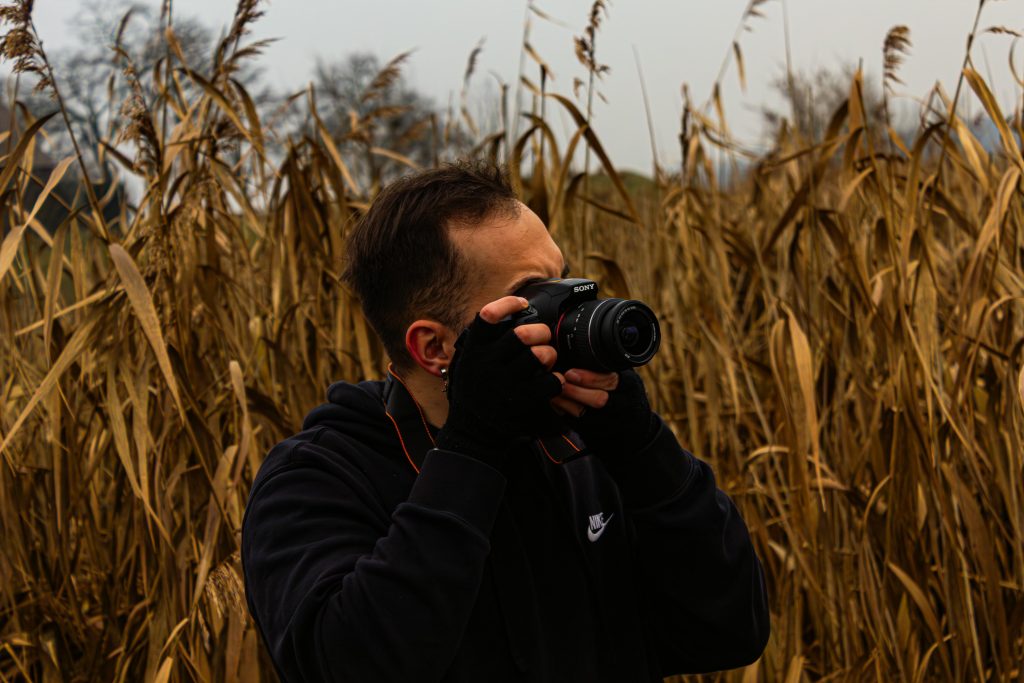
Travel changes quickly, but the memories fade just as fast if they’re not captured with intention. A travel photo book solves that problem. It transforms scattered images across phones, cameras, and cloud folders into a curated, permanent story. For digital nomads, it’s one of the few ways to create something tangible from a life built on movement.
Below is a guide to building a high-quality travel photo book that documents your journey with precision—not just nostalgia.
Decide on a Storyline Before Designing Anything
A great photo book follows a narrative. This doesn’t mean writing long text. It means ensuring your visual flow makes sense. Instead of arranging images randomly, choose a framework. You can structure your book geographically, chronologically, or thematically.
A chronological approach works best for long multi-country trips. It gives readers a clear progression—airport scenes, first impressions, major highlights, then transitions to the next place. A location-based structure is better for slow travel through a single region. Each chapter becomes a city, island, or province.
Think about pacing too. Mix wide landscape shots with close-up details. Use portrait images sparingly unless they add a human element important to your journey. Your book becomes stronger when the viewer experiences movement, variety, and rhythm—similar to how a filmmaker edits a scene.
Use a Platform With Flexible Customization
Once your images and structure are set, move to the design phase. A platform with advanced layout controls ensures your book doesn’t look generic. Customizable templates, flexible text placement, and full-bleed options allow you to tailor each spread.
Tools that offer strong creative freedom like Mixbook photo options let you adjust backgrounds, alignments, spacing, and typography without forcing you into rigid presets. This matters when building a professional-quality book. You need control over margins, captions, and image positioning to prevent cropping issues or awkward white spaces.
Mixbook also supports collaborative editing, which is useful if you’re assembling a book with a partner or fellow travelers. Cloud-based editing ensures your project stays accessible whether you’re in a coworking space in Bali or a café in Lisbon.
Curate With Intent, Not Emotion
One of the hardest parts is selecting the right photos. You’ll have thousands, but your book may only need 60 to 120. Emotional attachment can cloud judgment, so approach selection like an editor. Look for images that show contrast—different angles, tones, and contexts. Avoid near-duplicates.
Evaluate technical quality too. Check exposure, sharpness, and color balance. A photo book emphasizes flaws more than a digital feed. Small inconsistencies become obvious at scale.
This process can feel brutal, but it’s worth it. Your final product will feel tighter, more professional, and more enjoyable to revisit years later.
Add Captions That Give Context, Not Noise
Captions should enhance the image—not explain what’s already visible. The best captions add detail that the photo alone can’t convey: a date, a local phrase, the name of a place, or a short memory. Keep them brief and in a consistent style. Some travelers use GPS data or timestamps; others prefer reflective notes. Both approaches work as long as they support the overarching narrative.
Print With Quality and Longevity in Mind
Once the design is finalized, choose high-quality paper. Matte finishes reduce glare and fingerprints, while glossy provides sharper contrast. Premium lay-flat binding is worth the upgrade for landscape-heavy books because it allows full-spread images without losing content in the crease.
According to a 2023 Statista report, 70% of consumers prefer printed photo products over digital-only formats when preserving special memories. This aligns with why travel photo books remain popular—they turn fleeting moments into a durable archive.
Final Thoughts
A travel photo book isn’t just a collection of pictures. It’s a record of the places that shaped you, the people you met, and the moments that defined your journey. With the right structure, tools, and technical care, you can create a book that feels intentional, polished, and worthy of your travels.If you want a platform that gives you full creative control with strong print quality, explore Mixbook and start transforming your travel memories into something you can hold, share, and preserve.


